What is a security cheque?
A security cheque is a cheque given as a guarantee rather than as payment. The holder agrees to present it only if you don't meet an obligation, such as paying rent, repaying a loan or settling a supplier invoice. It's usually signed with the payee and amount filled in, and the date left blank.
When you'll be asked for one
- Tenancies. Landlords may ask for a security cheque alongside the rent cheques, against damage or unpaid rent.
- Bank finance. Banks commonly ask for a security cheque when granting loans and other credit facilities.
- Supplier credit. Suppliers may hold one before extending credit terms to a new customer.
The risk to understand
The cheque itself doesn't say it's "for security". To a bank it's an ordinary cheque, and once the holder fills in a date, it can be presented for payment. If the account can't cover it, it's returned unpaid. Since January 2022, the payee can collect a partial payment from whatever is in the account and pursue the rest through the courts.
So a security cheque is only as safe as your agreement with the holder and your records of it.
How to issue a security cheque safely
- Agree its purpose in writing. Get a signed letter, contract clause or receipt that says what the cheque secures, and when it will be returned.
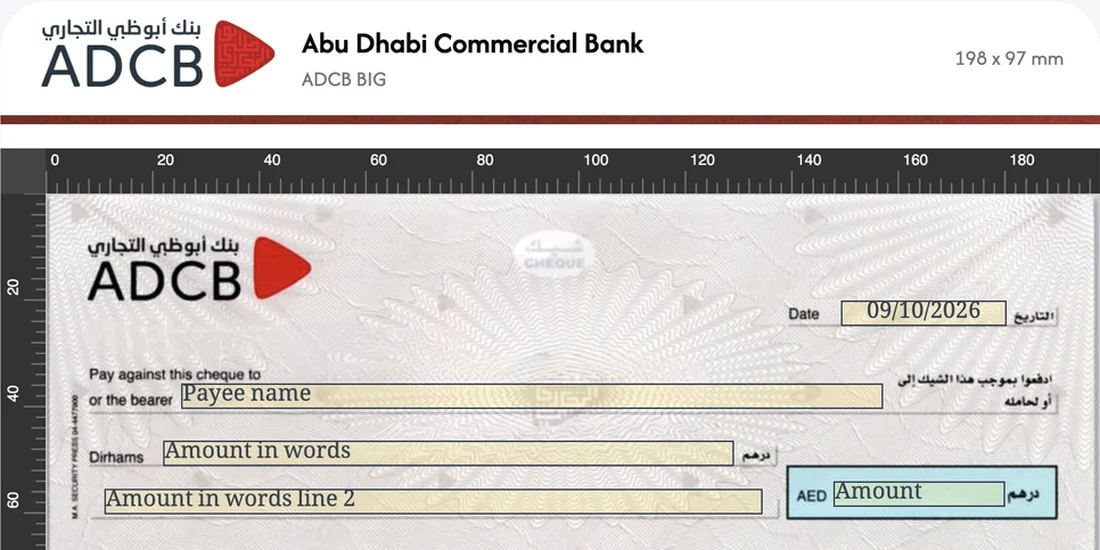
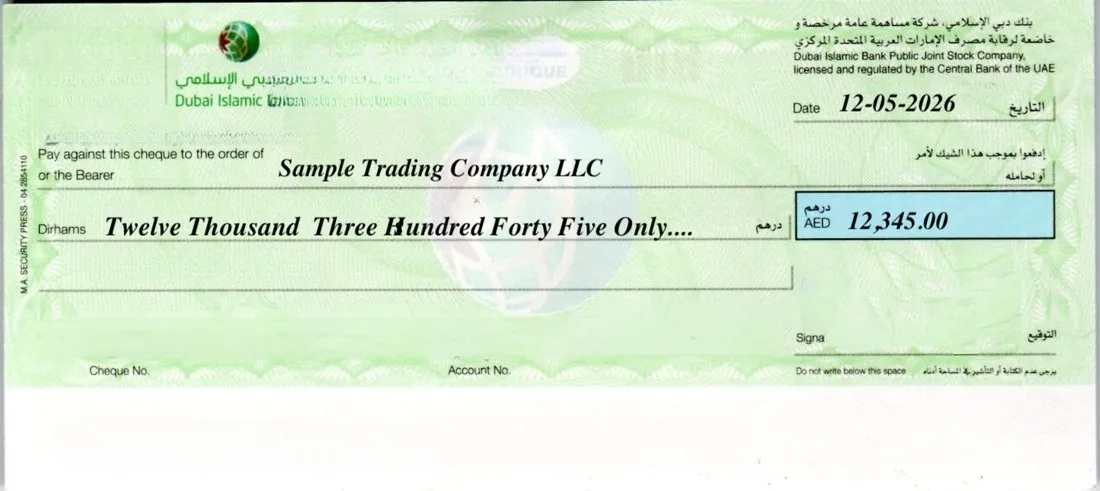
- Fill in the payee and amount. Never hand over a cheque with a blank payee or amount. Use the holder's full legal name and an exact amount in figures and words.
- Cross it. Add "A/C Payee Only" so it can only be paid into the holder's own account.
- Record it. Note the cheque number, amount, holder, the date you handed it over, what it secures, and when it's due back.
- Get it back. When the obligation ends, request the cheque in writing, collect it, mark it returned, and cancel the leaf.
If you're the one receiving security cheques
- Check the payee name, amount in words and signature before you accept it.
- Log each one against the customer, tenant or contract it secures.
- Store them securely, separate from cheques due for deposit.
- Return them promptly when the obligation ends. Customers notice.
How ChequeEazy helps
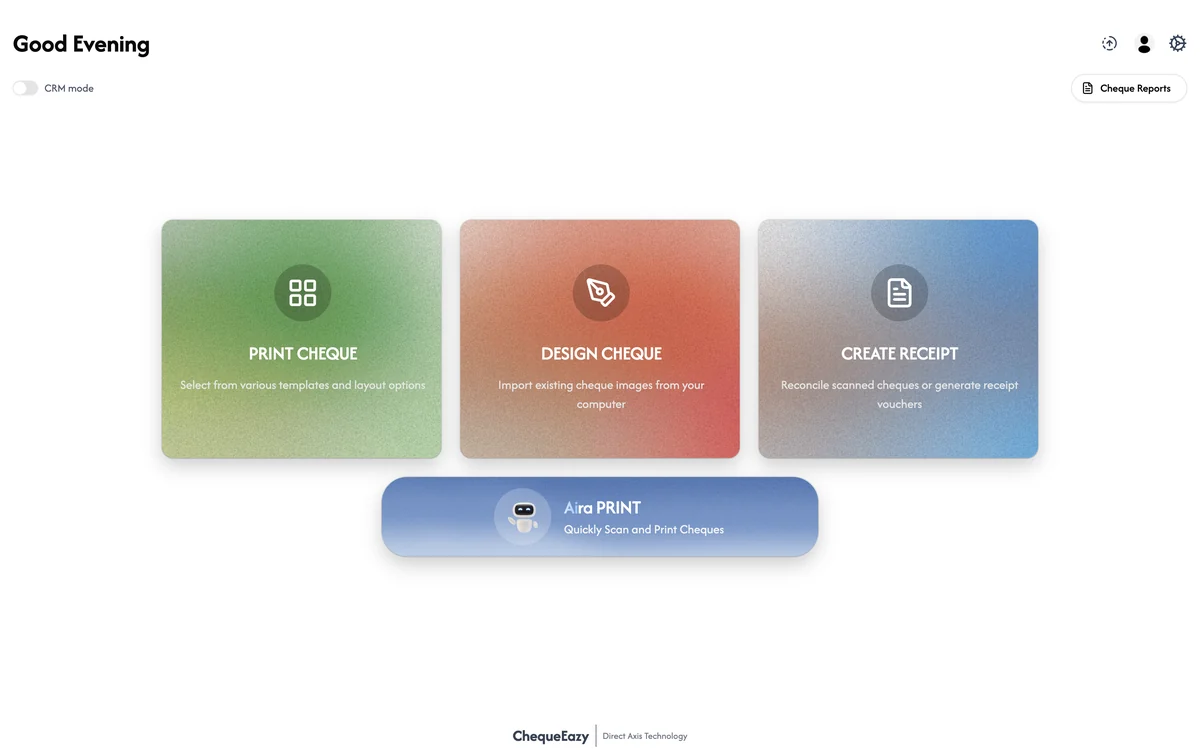
Tick Security Cheque when printing and ChequeEazy leaves the date blank while printing the payee, amount and amount in words. Use the memo field to note what the cheque secures. Every cheque is kept in your register, filterable by payee, bank and date, so you always know which security cheques are out and with whom. With ChequeEazy Desktop Ultimate and Enterprise, you can also log the cheques you receive.
This article is general information, not legal advice. For a specific situation, speak to a UAE lawyer or your bank.